
NISR AgriShield
Rwanda SSIT Engine
Empowering Ministry of Agriculture (MINAGRI) and RAB to target 50% Small-Scale Irrigation Technology (SSIT) solar pump subsidies by fusing NISR SAS cropland microdata, EICV household poverty indices, and Earth Observation climate reanalysis.
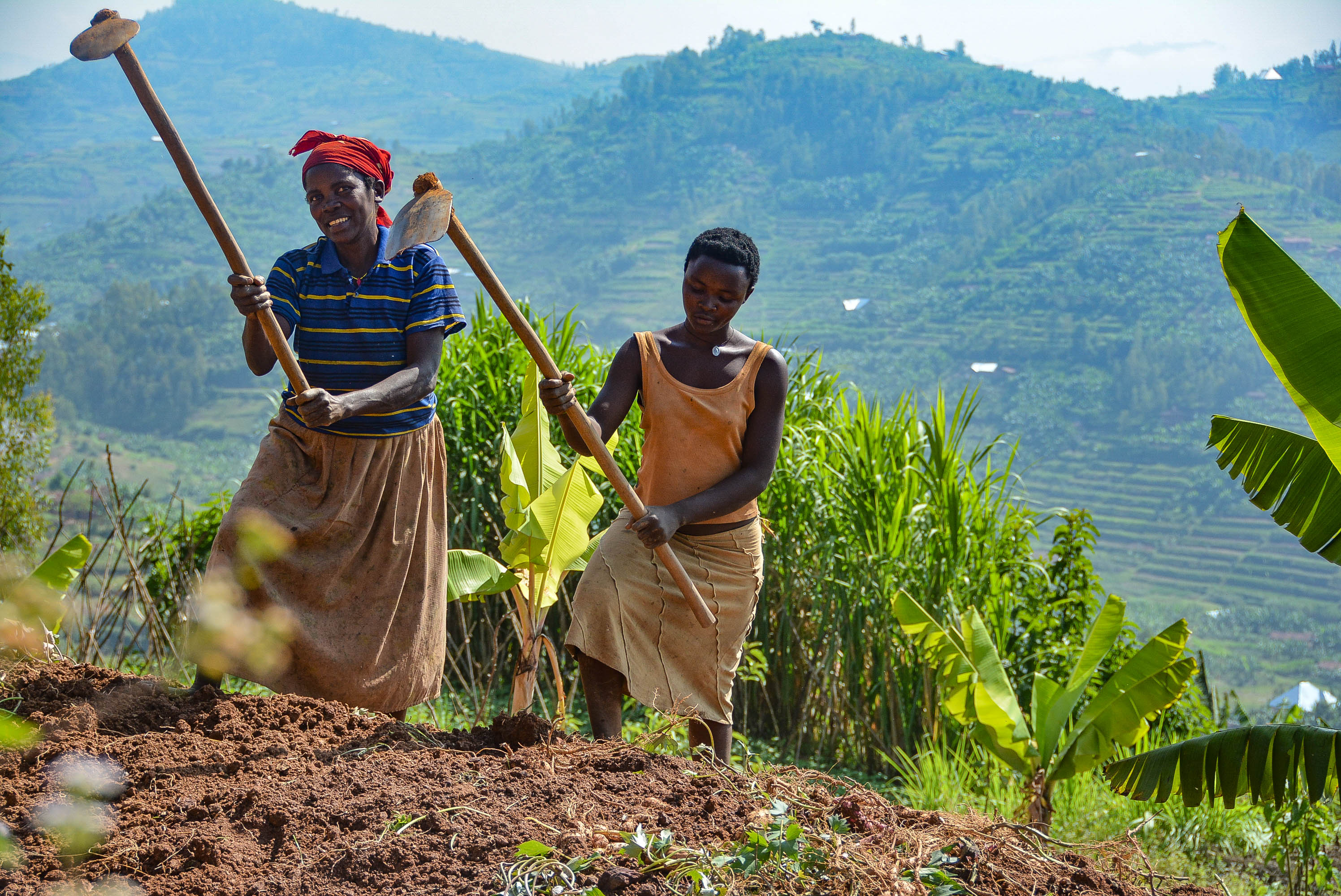
Over 845,000 hectares of smallholder farmland rely entirely on seasonal rainfall. Prolonged dry spells in Eastern and Southern Rwanda severely impair crop yields and threaten rural food security.
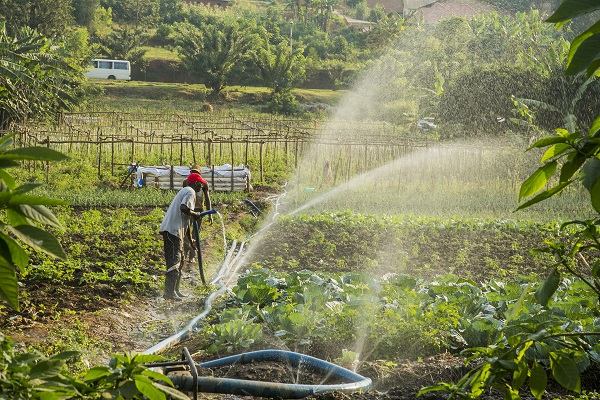
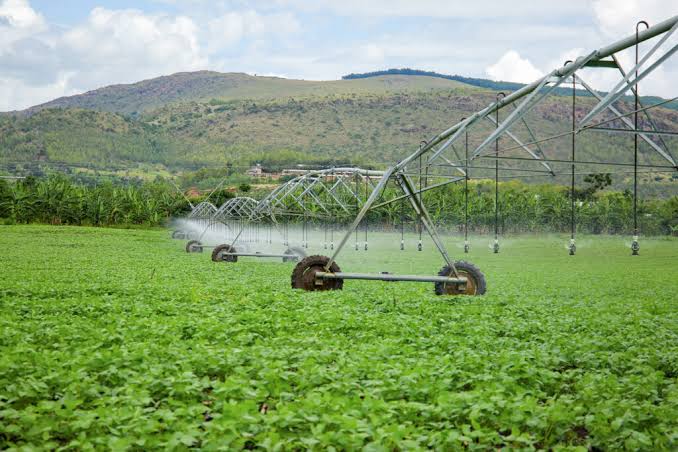
Under Rwanda's NST2 strategy, MINAGRI subsidizes small-scale solar irrigation by up to 50%. AgriShield replaces manual distribution with transparent, multi-criteria data-driven targeting.
Combining XGBoost and LightGBM models trained on NISR microdata with TreeSHAP explainability, every priority score is fully traceable back to empirical climate, crop, and poverty factors.
Interactive 3D choropleth map layers with extrusion elevation representing targeted SSIT solar pump density across Rwanda's 30 districts and 422 sectors.
Policy makers can dynamically adjust climate risk, cropland area, and poverty weights in real time with an automated live constraint enforcement (w_1 + w_2 + w_3 = 1.0).
Built-in 360° RAG assistant powered by official NISR SAS survey reports, EICV microdata, and MINAGRI policy guidelines for instant natural language queries.